Animal, Culture, Land, Sticky
Not too many generations ago, before snow plows, central heat, and supermarkets, winters in Appalachia were a much different experience than they are today. Many basic necessities such as mobility, heat, and food were not taken for granted. . .
Economy, Land
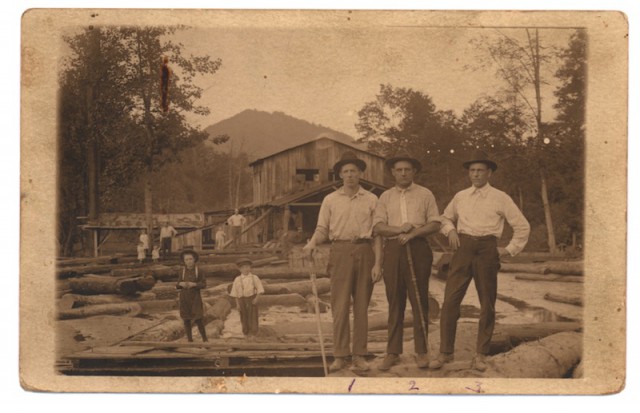
Industrial logging came to Appalachia with the railroad in the late 19th century. As timber supplies in the Northeast and the Great Lakes regions dwindled, National Lumber Corporation shifted to the vast hardwood forests of the Southern mountains.

Land
Charles Frazier’s acclaimed novel Cold Mountain presents geography as symbolic of human conditions. To his central character Inman, the mountains represent healing and salvation and are the goal of his trek homeward.
Animal, Land
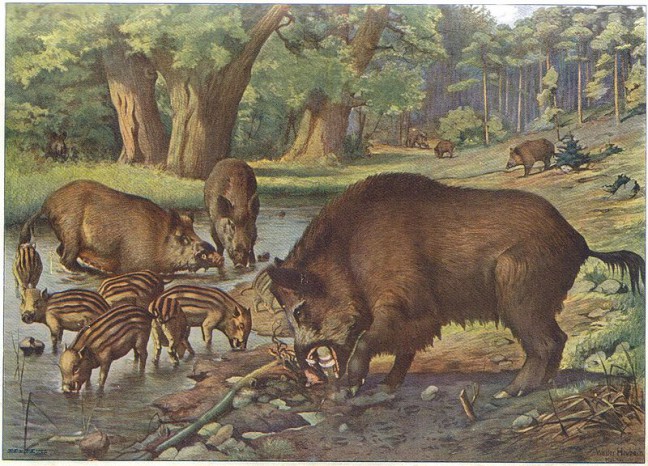
In the long history of invasive species in Appalachia, no story is more striking that that of the European wild boar. Often called Russian boars. . .