Land
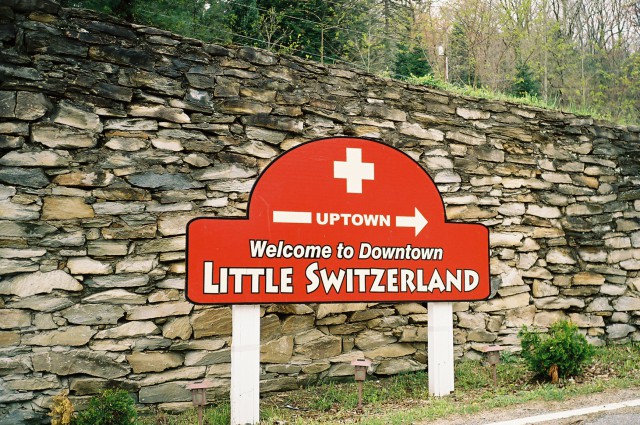
The Grassy Mountain area of Mitchell and McDowell counties was long a traditional settlement of Scotch-Irish families. In the summer of 1909, Charlotte lawyer Heriot Clarkson discovered the Alpine-like setting and laid plans for a resort colony.
Land
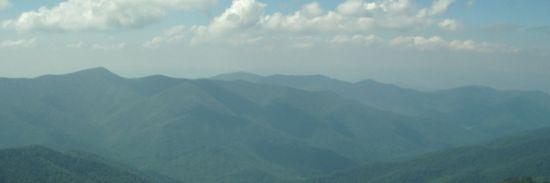
Of the ten highest mountains in the eastern United States, six are in the Black Mountain Range of western North Carolina. The most famous of these is Mount Mitchell, which at 6684 feet is the tallest peak east of the Mississippi River.
Land
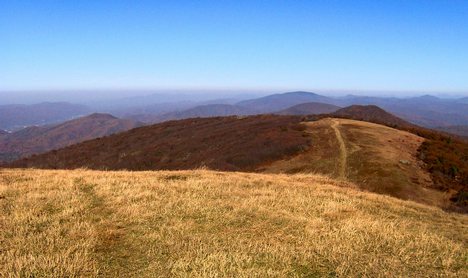
The Southern Appalachian Mountains are not high enough to have a natural tree line or Alpine zone, yet the region has hundreds of treeless areas called balds. Their origins- whether or man-made or the product of climatic changes- still remain a mystery.
Land
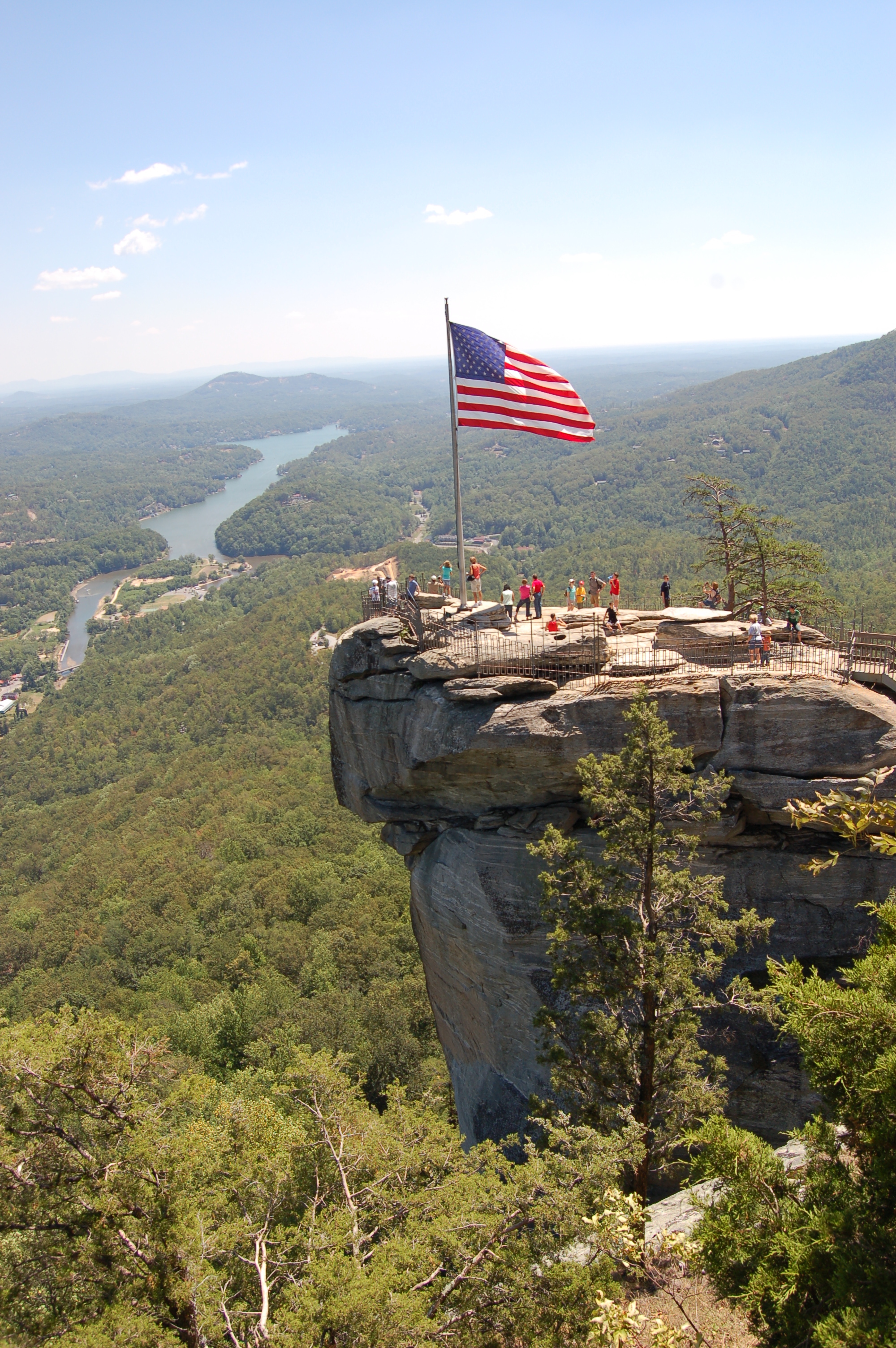
In 1885 Chimney Rock began its long history as a tourist attraction when the first stairway to its 315-foot granite summit was completed. Missouri native Lucius Moore purchased the spectacular rock outcropping overlooking Hickory Nut Gorge in 1902.
Land
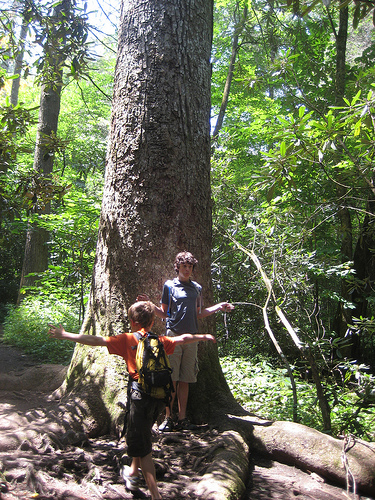
Old-Growth forests conjures up visions of the great forests that once covered most of eastern north America, and of towering trees undisturbed by logging and human settlement. They provide a vital link to our environmental past and are the preferred and sometime only habitat of a number of species.

Land
Southern Appalachian wetlands are gaining attention for the wealth of rare and unique life forms they support. In North Carolina alone, mountain bogs and fens provide habitats for nearly 90 species of plants and animals that are considered rare, threatened or endangered.