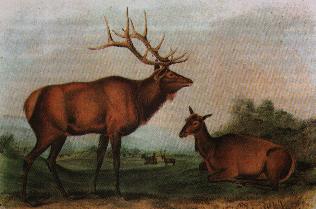
Extinct Species
The Appalachian region is the home of more species of plants and animals than any other temperate forest on earth. Through the long stretch of geological time, life forms have come and gone.

The Appalachian region is the home of more species of plants and animals than any other temperate forest on earth. Through the long stretch of geological time, life forms have come and gone.

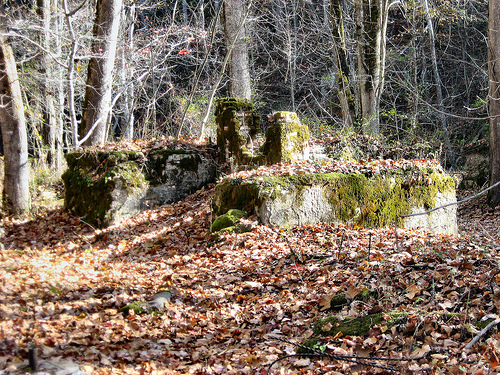
Towns do not survive forever. Western North Carolina has a number of its own lost towns. They disappeared for a number of reasons.
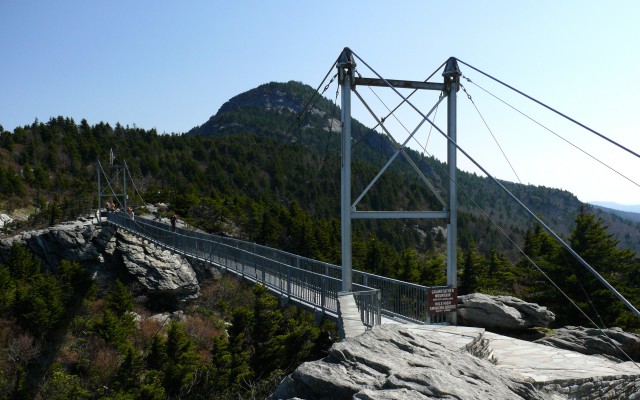
Over 700 million years ago two gigantic plates within the earth’s crust slammed together. Among the results was the creation of one of the highest peaks in the Blue Ridge Mountain range, Grandfather Mountain. At 5,964 feet, the mountain is one of Appalachia’s most visited attractions and one of its most unique natural wonders.
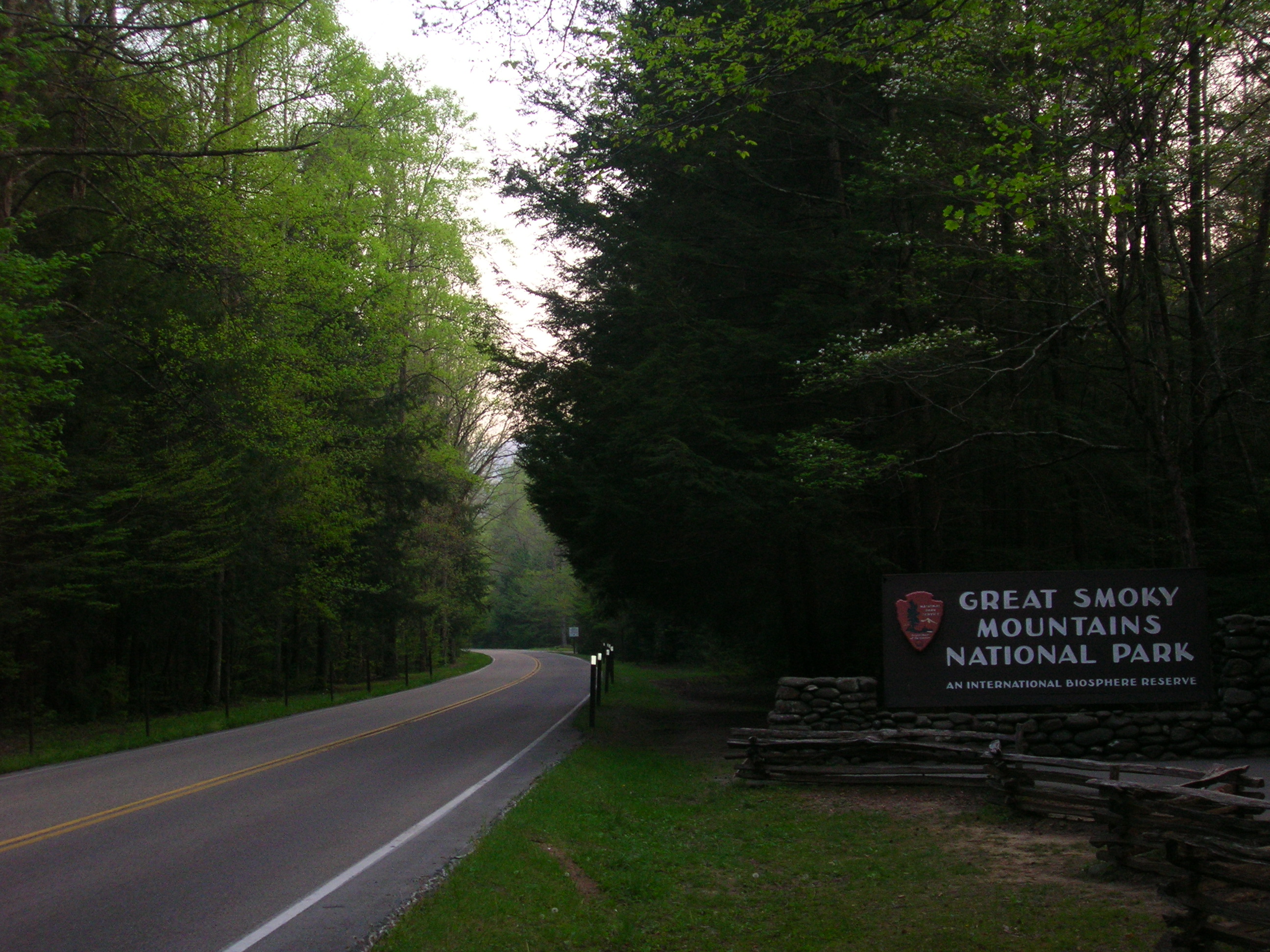
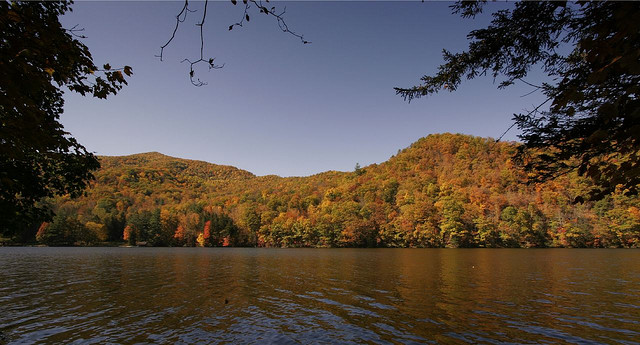
Thousands of years before the arrival of European settlers, Native Americans, particularly the Cherokees, inhabited the mountain region now known as Appalachia. Within the boundaries of present-day Haywood County, the Cherokee were scattered throughout several villages.

Tonya Carroll (B.A., 2007 M.A., 2009) with Bruce Frazier (Carol Grotnes Belk Endowed Professor in Commercial & Electronic Music) in the recording studio.