
Culture
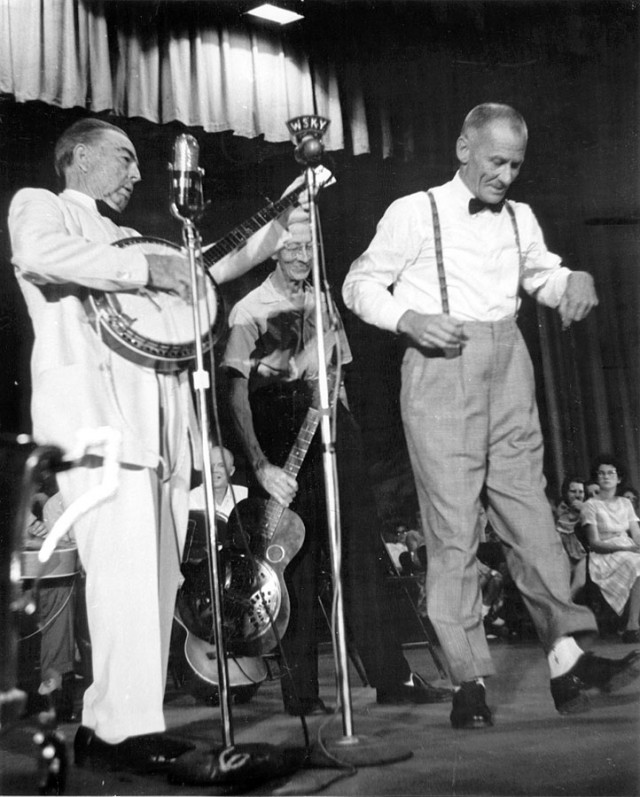
Mountain Dance and Folk Festival
In 1928, Bascom Lamar Lunsford turned his vast knowledge of traditional music and his organizational skills to the creation of a local music festival. The Asheville Chamber of Commerce had long sponsored an annual Rhododendron Festival, highlighting mountain arts and crafts. . .
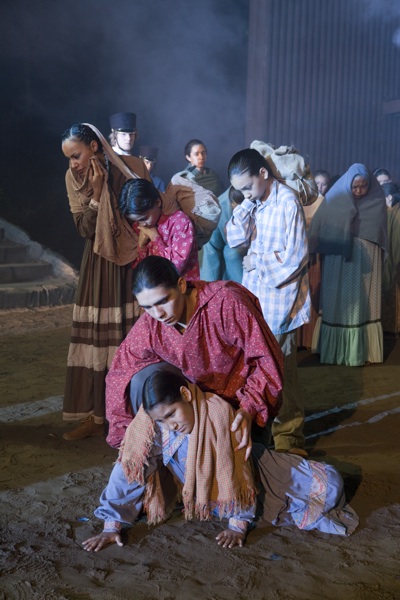
Trail of Tears
In the 1830s, the United States government, with the approval of the United States Congress and President Andrew Jackson, forcibly removed Southeastern American Indian tribes to present day Oklahoma. This atrocious act has been infamously named the Trail of Tears. . .
Economy
German Settlers in the Appalachians
People of German descent are one of the largest ethnic groups in the United States. They came to be known by the misnomer “Dutch” because Germans refer to themselves as Deutsch. Germans’ persistent and hardworking nature allowed them to thrive in backcountry...
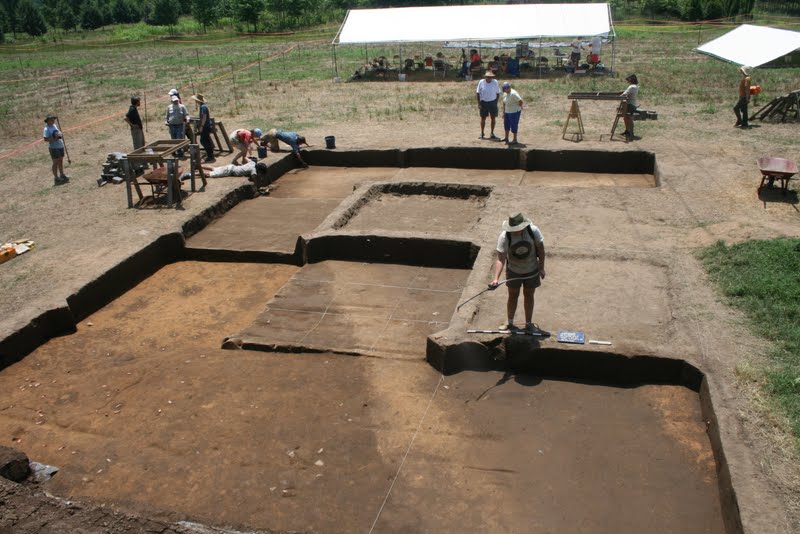
Juan Pardo
[slideshow_deploy id='6222'] Between 1566 and 1567, Juan Pardo, a Spanish explorer and conquistador, following the earlier example of Hernando DeSoto, led two expeditions into the Carolina and Tennessee mountains. His objective was to claim land for Spain, and...
Land

Cold Mountain
Charles Frazier’s acclaimed novel Cold Mountain presents geography as symbolic of human conditions. To his central character Inman, the mountains represent healing and salvation and are the goal of his trek homeward.
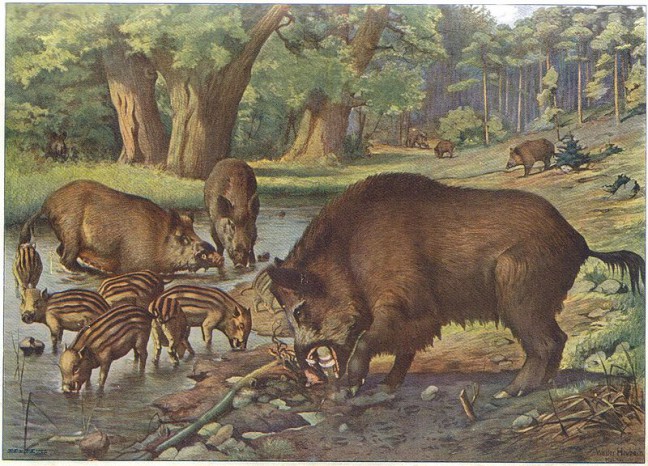
European Wild Boars
In the long history of invasive species in Appalachia, no story is more striking that that of the European wild boar. Often called Russian boars. . .
People
William Douglas Davis, 1994
John Parris, 1976
Cornshuck dolls from Allenstand part of the John Parris Collection Parris Receives Heritage Award/John Parris Receives Award During Mountain Heritage Day Festivities Asheville Citizen/ The Reporter Oct. 17th 1976 / Oct. 20th 1976 Western Carolina University Saturday...
Institutions
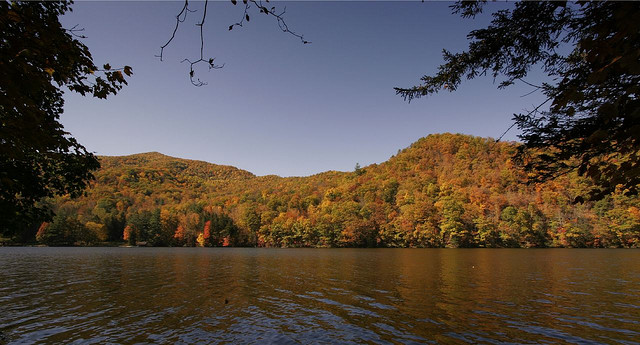
Lake Logan
Thousands of years before the arrival of European settlers, Native Americans, particularly the Cherokees, inhabited the mountain region now known as Appalachia. Within the boundaries of present-day Haywood County, the Cherokee were scattered throughout several villages.